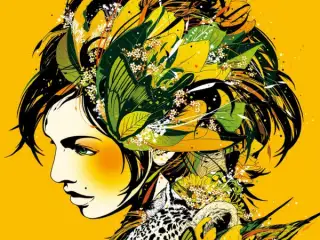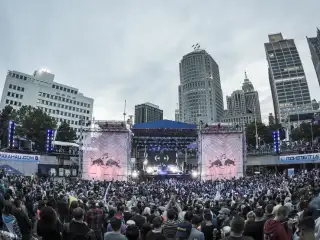
Fojú inú wo olùṣèwọ́n kan tó wà nìkán nínú ilé-iṣẹ́ ìgbàpadà ohun ní Kobe, tó yípo rẹ̀ ká pẹ̀lú àwọn synthesizer, àwọn atẹ̀lé, àkójọpọ̀ sọfítiwéà, àti ọdún tí ó kọjá ti ìmọ̀ tó ti jọpọ̀ — tí kò sì gbọ́ èyíkèyí nínú rẹ̀ fẹ́rẹ̀ẹ́. Àwọn atẹ̀lé wà lórí. Ìgbà ìṣẹ̀dá wà níbẹ̀ tí ó ṣí. Ṣùgbọ́n ìjẹ́pọ̀ tó wà láàárín etí àti ohun èlò orin — èyí tó ti ṣàpèjúwe gbogbo ìpinnu ìṣẹ̀dá rẹ̀ láti ìgbà ọ̀dọ́ — ti gé kúrò nípasẹ̀ ohun tó rọrùn bí ó ti ṣe ìpalára tó bí ìṣẹ̀lẹ̀ ìlera kan. Fún tofubeats, ìdákẹ́jẹ́ẹ́ yẹn kò jẹ́ àfiwé. Ó jẹ́ ipò tí àlbọ́mù orin rẹ̀ kẹfà nínú ilé-iṣẹ́ bẹ̀rẹ̀ sí í ṣe àpẹrẹ rẹ̀.
Olùṣèdá Tó Wà Lẹ́yìn Ẹ̀rọ Náà
Ti a bi ni Kobe ni ọdun 1990, tofubeats — orukọ iṣẹ Fumihiro Matsui — kò kọ iṣẹ ọnà rẹ̀ nípa ìlé-ẹ̀kọ́ orin tàbí àwọn ètò ìgbàpadé iṣẹ́ aṣáájú. Ó dàgbà nípasẹ̀ íńtánẹ́ẹ̀tì, tí ó ń gbé àwọn orin kalẹ̀ gẹ́gẹ́ bí ọ̀dọ́ sí àwọn ìpele bíi Nicovideo, tí ó sì ń kọ́ ẹgbẹ́ olùtẹ̀lé ní abẹlẹ orin àgbáyé tí àwọn ẹni-kọ̀ọ̀kan ṣe fún ara wọn lórí íńtánẹ́ẹ̀tì ní ìbẹ̀rẹ̀ àwọn ọdún 2000 ní Japan, ṣáájú kí ìṣẹ́ orin orílẹ̀-èdè náà tó ní àwọn ọ̀rọ̀ tó yẹ láti ṣàpèjúwe ohun tó ń ṣe. Ìdàgbàsókè rẹ̀ jẹ́ ìkópa àti ìdarí ara-ẹni, tí ó gbòde kan nínú àwùjọ àwọn olùṣẹ̀dá tí wọ́n ń wo wẹ́ẹ̀bù gẹ́gẹ́ bí nẹ́tíwọ̀ọ̀kì ìpínpín àti ilé ìṣẹ̀dá àpapọ̀.
Ohun rẹ fa lati aaye gbooro ti ko wọpọ: orin J-pop ti o kun fun orin aladun, ile Chicago ati UK, aṣa ayẹwo, imọlẹ atọwọdá ti awọn orin ìsọfún alẹ ti a kọ fun awọn yara kekere ti o ni awọn agbohunsoke nla. Ohun ti o jẹ ki iṣẹ rẹ yatọ si awọn miiran kii ṣe iwọn ipa nikan ṣugbọn ọna ti awọn ipa wọnyẹn ṣe dapọ si nkan ti o le ka ninu ọkan — orin ti o dabi ẹni pe a ṣe pẹlu ẹrọ ati tun lero ni akoko kanna. Àwọn ohun ìjẹpàtàkì yẹn fi i sí ìtẹsíwájú kan tí ó so àṣà ìṣere ìsọfún Japan pọ̀ mọ́ àwọn àṣà orin aladun rẹ̀ tí ó jìn gédégédé — ọ̀nà tí ó máa ń lọ láti ìdánwò Shibuya-kei dé ọdọ àwọn olùṣèlọ orin yara ibùsùn tí wọ́n jogún ẹ̀mí rẹ̀.
Ní àkókò tí Reflection dé ní ọdún 2022, tofubeats ti kójọ iṣẹ́ ọdún mẹ́wà tí ó ń rìn láàárín àwọn ilé-iṣẹ́ àkọsílẹ̀ ńlá àti ìtẹ̀jáde olóòtú — iṣẹ́ kan tí a ṣàlàyé rẹ̀ fún àwọn ìpinnu nípa ìṣàkóso iṣẹ́ ọnà gẹ́gẹ́ bí àwọn ìmọ̀ràn òwò. Ṣùgbọ́n Kobe, kì í ṣe Tokyo, ló tẹ̀síwájú láti ṣe àpẹrẹ ìmọ̀-ọkàn rẹ̀. Ìlú èbúté kan tí ó ní ìtàn àìgbàgbọ́ sí àwọn ìṣàn àṣà ìta, Kobe fún tofubeats ní ijìnnà àgbègbè kúrò nínú ìwòntúnwọ̀nsì ilé-iṣẹ́ olú-ìlú náà. Ijìnnà yẹn jẹ́ àkójọpọ̀: ó mú ìmọ̀ àṣeyọrí tí ẹni òde jẹ́, kódà láàárín ayé orin orílẹ̀-èdè rẹ̀ fúnraarẹ̀.
Nígbà Tí Ohùn Bá Dákẹ́
Àárọ̀ ìgbọ́ tí kò pẹ́ jẹ́, fún ọ̀pọ̀ ènìyàn, ohun tí ó dà bíi ìdànilójú àìsàn kan tí kò ṣe pàtàkì. Fún olùṣẹ̀dá orin, ó sunmọ́ ìdojúkọ ohun tó yẹ kí a gbéròó dáadáa nínú ìgbésí ayé. Gbogbo ìmọ̀ iṣẹ́ ìṣẹ̀dá orin ni a kọ́ sórí ìgbọ́ — kì í ṣe ní ọ̀nà aláìfọkànsí, àmọ́ pẹ̀lú pípéye tó fẹ́ fara mọ́ ara. Gbogbo ìpinnu nípa àpapọ̀ ohun, gbogbo yíyàn nípa ìgbọ́nwọ́ orin, gbogbo ìdájọ́ nípa àyè àti ìkojọpọ̀ n ṣàn kọjá etí. Nígbàtí ohun èlò yẹn bá kùnà, iṣẹ́ ọnà náà kì í dádúró nìkan. Ó máa ń béèrè ìdálóge tirẹ̀.
Ohun tí ó tẹ̀lé fún tofubeats ni àkókò ìdákẹ́jẹ́ẹ́ tí a fipá mú àti ìwúwo ọkàn. Àìdánilójú náà — àìmọ̀ bóyá ìgbọ́ràn yóò padà wá pátápátá, tàbí ní irú ọ̀nà tí ó yàtọ̀ tó — ti dá ìfarakọ̀kàn pọ̀ sílẹ̀ pẹ̀lú ikú ẹdá tí kò lè yẹ̀wò nípa iṣẹ́. Àwọn irinṣẹ́ wà níbẹ̀. Ilé-iṣẹ́ ìkọrin wà. Ṣùgbọ́n ìdápọ̀ àkọ́kọ́ tó wà láàárín dídá ohun àti ìdínwò rẹ̀ ti fọ́. Nínú àlàfo yẹn, ohun mìíràn bẹ̀rẹ̀ sí í kóra jọ: àṣàrò, ìkọsílẹ̀, àìní láti ṣe àgbékalẹ̀ ìrírí náà nípasẹ̀ àwọn ọ̀nà tí kì í ṣe orin.
Iwe alajọpọ tí a tú jáde pẹ̀lú awo orin náà ní 2022 jáde tààrà láti àkókò yìí. tofubeats pinnu láti ṣàkọsílẹ̀ ìgbésí ayé inú rẹ̀ nígbà ìṣòro náà nínú ìkọ̀wé — ìgbésẹ̀ tí ó lọ lòdì sí ìṣan àṣà tó ṣe pàtàkì. Àárọ̀ iṣẹ́ orin Japan, àwọn olorin tí wọ́n wà ní àwọn ipa iṣẹ́-ìpèsè máa ń ṣọ́ ìjìnlẹ̀ kan ní àyíká ìlànà wọn àti àwọn ìjàkadì wọn. Ìdìmọ́ iṣẹ́ ọnà ìmọ̀-ẹ̀rọ ní àṣà tirẹ̀ pàápàá. tofubeats ya kúrò nínú rẹ̀ lọ́nà tí ó yàn fúnra rẹ̀, tí ó fi àìdánilójú rẹ̀ sílẹ̀ nínú àkọsílẹ̀ pẹ̀lú orin rẹ̀.
Iṣaro Gẹgẹ bi Iwe Ẹri
Lati tẹtisi Reflection pẹlu imọ ipilẹṣẹ rẹ ni lati gbọ olorin kan ti n ṣe ayẹwo awọn instinct tirẹ ni akoko gidi. Nígbà tí àwọn àkọọlẹ tofubeats tẹ́lẹ̀ ti tẹ̀ síwájú ìdìpọ̀ — maximalism orin, ìtò àwọn fẹ́lẹ́fẹ́lẹ́, ìjù àwọn ohun tí ó wúlò ti olùṣe kan tí ó ní ìgbẹ́kẹ̀lé nínú etí rẹ — Reflection ṣe àyè. Ìdákẹ́jẹ́ẹ́ àti ìfọwọ́sowọ́pọ̀ ṣiṣẹ́ gẹ́gẹ́ bí àwọn ẹ̀yà ìdásílẹ̀ dípò àìsí. Awo orin náà kò dún díẹ̀ nítorí ohun tí ó fi sílẹ̀. Ó dún pẹ̀lú ìmọ̀lára ìrònú, bí ẹni pé gbogbo ìgbọ́nwí tí ó kù ni ẹni kan ti yan, ẹni tí ó ń tún kọ ohun tí ó nífẹ̀ẹ́ sí nípa ohun funrararẹ.
Wiwa Neibiss, ẹgbẹ́ rap kan, lórí awo orin náà bá àṣà tofubeats ti gbé kalẹ̀ tipẹ́tipẹ́ ti ìfowópamọ́ nínú àjọṣepọ̀ àwùjọ jọpọ̀ dípò ìyàsọ́tọ̀ olùdásílẹ̀ kan. Kódà ní àkókò ìfẹ̀ẹ́-inúlọ jùlọ nínú ohun tí ó ti gbasilẹ, awo orin náà kò ṣe àádọ́ta. Ó na ọwọ́ jáde, ó ń pè àwọn ohùn mìíràn wọlé sí ìmọ́lẹ̀ rẹ̀. Àgbègbè àkóónú tí àwọn ohùn wọnyẹn ń ràn pọ̀ láti ṣàwárí — ìrántí, ìfiyèsí, àtúnṣe — ń gbé ìtumọ̀ pàtàkì kan nígbà tí a ṣàlàyé rẹ̀ nípasẹ̀ oníṣẹ́-ọnà kan tí ó ti pàdánù ní ìgbà díẹ̀ ọ̀nà àkọ́kọ́ rẹ̀ ti ìbáṣepọ̀ pẹ̀lú ayé.
Akọle awo orin naa ṣiṣẹ lori ọpọlọpọ awọn ipele ni akoko kanna. Àfihàn ohùn ṣapejuwe ihuwasi ti awọn igbi ohùn ti n tẹ́ kuro lori awọn ilẹ — fisiksi ti bí ohùn ṣe kun ati pada lati inu yara kan. Ìrónú tìkàrawẹni ni ìtumọ̀ kejì, èyí tí ó ṣe àpẹrẹ ìmọ̀lára àgbékalẹ̀ awo orin náà. Àwọn ìtumọ̀ méjèèjì ń ṣiṣẹ́ ní gbogbo ìgbà. Ìwé àti awo orin náà, tí a tẹ̀jáde papọ̀, jẹ́ ìwé àkọsílẹ̀ ọ̀nà méjì ti iriri inú kanna tí a ṣàfihàn nípasẹ̀ àwọn ọ̀nà tí ó yàtọ̀ síra wọn — ọ̀kan tí a ṣe láti inú ohùn, ọ̀kan mìíràn láti inú èdè, àwọn méjèèjì tí ń yípo àkókò ìdákẹ́jẹ́ẹ́ tí a fipá mú wọn lọ.
Ihamọ gẹgẹ bi Oluranlọwọ Ẹda
Itan-akọọlẹ orin kun fun àwọn olorin tí iṣẹ́ pàtàkì wọn jù lọ ti yọ jáde láti àwọn àkókò ìdíwọ̀ ti ara tàbí ti ọkàn. Àwọn quartet tó pẹ̀ ti Beethoven, tí a kọ nígbà tí o fẹ́rẹ̀ẹ́ di adití pátápátá. Ẹ̀wà àkọsílẹ̀ lo-fi tán-ín-tán, tí a bí láti inú ohun èlò tí ó fọ́ àti àìní owó. Ìdíwọ̀ kò ṣe àtúnjúwe ìtọ́sọ́nà ìmọ̀lára ìṣẹ̀dá nìkan — nígbà míràn ó mọ́ ọ mọ́, tí ó ń yọ ohun tí a ń ṣe nígbà gbogbo kúrò, tí ó sì ń fipá mú ìfojúsùn sí ohun tí ó ṣe pàtàkì gangan. Iriri tofubeats gbé e sínú ìtẹ̀lé yẹn láìnílò kí a ṣe àfiwé náà jù.
In electronic music specifically, limitation has long been a generative force. Working within broken gear, early software with narrow capabilities, or compromised listening conditions has produced entire genres and aesthetics — techno's industrial austerity, ambient music's negative space, the deliberate degradation of signal that gave grime and early dubstep their texture. The productive encounter with constraint is not incidental to electronic music's history. It is woven into the genre's DNA.
What distinguishes tofubeats' case is his choice to document the experience as it unfolded rather than describing it retrospectively from a position of recovered confidence. The book was not written after the fact as a polished account of adversity overcome. It captured the uncertainty while the uncertainty was still present. That quality gives Reflection a sense of real-time reckoning — an honesty of process — that separates it from albums that merely reference hardship from a safe aesthetic distance.
Kobe, the Internet, and a Japanese Producer's Place in the World
Kobe is a city that has always absorbed and transformed outside influence. As a port historically open to foreign trade and culture — one of the first Japanese cities to receive significant international cultural exchange in the modern era — it carries a cosmopolitan openness that sits differently from Tokyo's industry-saturated internationalism. tofubeats' musical eclecticism reflects that geography as much as any personal biography. The city's identity is part of his sonic identity.
Japan's Nicovideo-era internet music community created an entire generation of producers who learned to build audiences without institutional support. The skills that culture demanded — self-releasing, direct audience communication, sustaining a creative practice without label infrastructure — proved to be more than practical necessities. They became a form of structural resilience. When personal crises arose, as they did for tofubeats, artists formed in that environment had already developed the self-sufficiency to navigate outside conventional industry channels.
Operating outside Tokyo's gravity meant tofubeats had cultivated a relationship with his audience that was more direct and less mediated by label priorities or marketing cycles. That dynamic made releasing an album alongside a personal book — a deeply unconventional act in commercial music terms — a more natural extension of his existing practice than it might have been for a more traditionally managed artist. His career is part of a broader global story about internet-native producers who quietly redefined what a music career could look like — not through disruption as performance, but through sustained creative autonomy.
What Listening Means After Silence
Recovering hearing does not simply return an artist to their previous relationship with sound. The experience of losing it and waiting for its return fundamentally reorders what the ear notices, what the mind values, what the hands reach for when they return to the studio. The silence becomes part of the sonic vocabulary, even after it ends. tofubeats emerged from his period of hearing loss not as the same producer restored to working condition, but as someone whose relationship with sound had been renegotiated from the ground up.
Reflection stands as evidence of that renegotiation. It is an album that treats production not as technical achievement but as emotional communication — a distinction that sounds simple but requires enormous craft to execute. The space tofubeats leaves in his arrangements, the restraint he brings to a practice previously characterized by its richness, the willingness to let a frequency breathe rather than fill it: these are not subtractions. They are additions of a different kind, born from a period when the relationship between maker and medium was stripped to its most fundamental terms.
His decision to publish the book alongside the album suggests an artist who understood that the story of how music is made can be as meaningful as the music itself. That position challenges the mystification of the producer role — the culturally persistent idea that what happens between the musician and the machine should remain opaque, that the technical process is diminished by being explained or made human. tofubeats rejected that idea not through argument but through action, placing his uncertainty and his vulnerability in the same space as his craft.
For listeners, his story is an invitation to hear electronic music differently — not as the product of frictionless technical mastery but as the output of a human being navigating uncertainty, loss, and the slow reconstruction of a creative self. The lasting significance of this chapter in tofubeats' work is not that he suffered and recovered, nor that the album that emerged from that period is beautiful, though it is. It is that he chose to make the suffering audible — and in doing so, expanded permanently what his music is capable of saying.

Pín
Wọlé láti darapọ̀ nínú ìjíròrò. Wọlé
Kò sí ọ̀rọ̀ sílẹ̀. Jẹ́ àkọ́kọ́ láti pín èrò.