Ilu Gẹgẹ bi Ile-iṣẹ Gbigbasilẹ: Ipamo Tokyo àti Àwọn Olùṣèdá Orin Tí Ń Ṣàpẹẹrẹ Rẹ̀
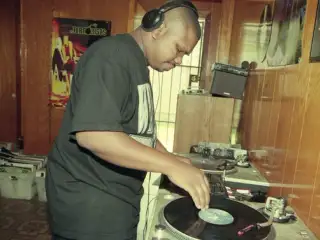
Ni alẹ ọjọ iṣẹ kan ni Shimokitazawa, àdúgbò kan tí àwọn ọ̀nà rẹ̀ dín-ín-dín ti pẹ́ tí wọ́n ń ṣiṣẹ́ gẹ́gẹ́ bí ibi ìsádi fún àwọn ẹlẹ́dàá Tokyo, ilé ìtajà gbàárì kan fa àwọn ìbòjú rẹ̀ sísàlẹ̀ ní ìdajì. Níbẹ̀, ẹgbẹ́ kéékèèké kan péjọ yí àwọn turntable méjì ká, wọ́n ń yí àwọn apoti wọ̀nyí padà, wọ́n ń jẹ́ kí àwọn gbàárì fẹ́ ẹ̀mí wọn sínú yàrá náà fún ìṣẹ́jú àáárùn-ún ṣáájú kí wọ́n tó gbéra lọ. Ó jẹ́ ìṣẹ̀lẹ̀ àdánidá ní ìlú kan tí ó ti mú ìgbọ́ tí ó jinlẹ̀ díẹ̀ di nǹkan tó sún mọ́ iṣẹ́ ọmọ ìlú. Ó tún jẹ́, ní ìtumọ̀ pàtàkì kan, ìṣẹ̀lẹ̀ tí ó mú Chaki Zulu jáde.
Ipa rap abẹlẹ Tokyo dagbasoke ni ita àwọn ile-iṣẹ akọle nla, èyí tó túmọ sí pé ó dagbasoke gẹgẹ bi àwọn òfin tirẹ. Àwọn olùṣẹda orin nínú àyíká yii kojọ aṣẹ tí, nínú àwọn iléeṣẹ tó ṣètò fún òwò díẹ̀, lè jẹ ti àwọn alàgbà tàbí ẹ̀ka A&R nìkan. Olùṣe ìlù kò jẹ́ oṣiṣẹ tí a gbà sínú iṣẹ́ bí ìjókòó ìpínlẹ̀, ṣùgbọ́n ó jẹ́ àárín àdàlú ìṣẹ̀dá — ẹni tó ṣe àwọn ìpèsè ẹ̀wà tí àwọn MC àti àwọn alájọṣepọ̀ ni a pè sínú. Àṣà yẹn jẹ́ jínjìn, àti Chaki Zulu jẹ́ ọ̀kan lára àwọn arọlé rẹ̀ tó fara ara mọ́ rẹ̀ jù lọ.
The city itself is not a monolith. Tokyo's ward-level identities — Shibuya's commercial energy, Harajuku's restless style culture, Shimokitazawa's bohemian insularity — have historically generated micro-scenes with distinct sonic personalities. Chaki Zulu moves across several of these simultaneously, which partly explains the unusual breadth of his production vocabulary. He is a product of the city's plurality, not any single corner of it.
The producer-as-auteur tradition in Tokyo rap also draws from two distinct lineages that rarely get discussed together: the American beatmaker culture that arrived with hip-hop in the early 1980s, and Japan's own studio craft tradition — the meticulous arranging and sonic engineering embedded in city pop, electronic music, and jazz fusion. Both streams shaped how Tokyo producers think about their role. Chaki Zulu sits squarely at that intersection.
An Ear Trained on Everything: Genre Fluency as Artistic Philosophy
What separates Chaki Zulu from many of his peers is not technical facility alone — Tokyo's underground is full of technically accomplished producers — but the particular scope of his listening. His absorption of global recorded music is not casual eclecticism. It is a sustained, disciplined practice of learning to hear how different traditions solve the same fundamental problems of rhythm, texture, and emotional communication.
Where many producers mine a single genre tradition with increasing depth, Chaki Zulu treats the full arc of recorded music as raw material. Jazz harmonic logic sits alongside R&B structural instincts and electronic sound design. The connections he draws across those idioms are not always obvious ones — they emerge from years of attentive listening rather than studied reference. The result is a body of work that resists the genre-label shorthand that music coverage tends to lean on.
This positions him within a longer global lineage of producer-translators — figures who have always carried music across cultural borders through craft rather than commercial strategy. What makes Chaki Zulu's version of this practice distinctly Tokyo is the filtering mechanism: outside influences arrive, are absorbed, and emerge reconfigured through aesthetic values and cultural references specific to this city, this scene, this particular community of listeners.
Genre fluidity carries real risks in scenes that understand authenticity through purity — where straying too far from an established sound can read as dilettantism or cultural tourism. Chaki Zulu navigates that tension not by seeking permission but by rooting his range in evident depth. His genre-agnostic approach does not feel like indecision; it feels like the logical output of someone who has genuinely absorbed the traditions he draws from.
Building the Beat: Chaki Zulu's Sonic Signatures
A close listen to Chaki Zulu's production reveals habits of mind as much as habits of sound. One of the most consistent is his relationship to space. His arrangements breathe in unusual ways — the pauses, the rests, the moments where the beat seems to recede rather than press forward are as compositionally deliberate as anything that fills them. What he leaves out carries as much meaning as what he puts in.
His chord selection and sample treatment tend toward emotional ambiguity. A Chaki Zulu beat rarely resolves into simple feeling — the harmonic language hovers between melancholy and warmth, between hard-edged tension and something more open. This is not accidental obscurity but a sophisticated refusal to do the listener's interpretive work for them. The emotion is present; it is simply not labelled.
The interplay between organic and synthetic textures is another recurring signature. Live instrument sounds — strings, keys, brass fragments — appear alongside programmed drums in ways that blur the boundary between the two rather than celebrating the contrast. The synthetic elements take on warmth; the organic ones take on precision. The result is an aesthetic middle ground that feels genuinely contemporary rather than nostalgic in either direction.
Rhythmically, Chaki Zulu draws from frameworks absorbed from jazz, Afrobeat, and club music — traditions where the relationship between beat and body is more complex than straightforward four-four propulsion. His rap productions carry an unusual sense of motion, of rhythmic ground that shifts slightly underfoot. His beats function as environments rather than backdrops — immersive sonic worlds that actively shape an MC's delivery rather than simply providing a foundation beneath it.
Collaborators and Community: The Network Chaki Zulu Inhabits
No producer constructs their significance alone, and Chaki Zulu's importance to Tokyo rap is inseparable from the network of artists and communities he moves through. His production has helped shape the identities of some of the scene's most vital MCs — collaborations that work not as producer-serving-rapper but as genuine co-creation, where mutual influence between beatmaker and lyricist is visible in both directions.
In Tokyo's underground, producers often operate as scene architects in a broader sense than the term usually implies. They curate aesthetics, facilitate introductions between artists who might not otherwise find each other, and set the sonic tone that gives a creative community its coherent identity. Chaki Zulu has played that role with deliberate intent — his production choices carry influence that extends beyond any individual track into the general shape of the scene around him.
The live infrastructure of Tokyo's underground — club nights, listening sessions, informal gatherings in the back rooms of venues that officially do something else — functions as connective tissue in ways that streaming metrics do not capture. These are the spaces where trust is built, where collaborations are initiated, and where the community reproduces itself across generations. Chaki Zulu is consistently present in those spaces, not as a featured attraction but as a participant.
His collaborative range spans generations within the scene, positioning him as a bridge between established underground figures whose credibility was built across years of independent work and younger artists who arrived into a more globally connected landscape. That bridge function is not incidental — it is one of the things that makes him a genuinely structural figure rather than simply a well-regarded producer.
Japanese Rap in Global Context: Where Tokyo Stands
Japanese hip-hop is not a borrowed form. It has a distinct and serious history stretching back to the early 1980s, when the culture arrived from New York and was immediately interpreted — not merely imitated — by Japanese artists who understood it as a vehicle for their own stories and linguistic creativity. By the 1990s, groups like Scha Dara Parr and King Giddra had established that Japanese-language rap could carry genuine artistic weight, rooting the form in domestic experience rather than translating someone else's.
The complication has always been language. Japanese-language rap carries an inherent specificity — the phrasing, the wordplay, the cultural references — that resists easy export to audiences operating in English-dominant media ecosystems. This is not a deficit; it is a form of integrity. But it creates a structural asymmetry that producers like Chaki Zulu navigate in every production choice they make.
The internet era amplified both sides of that asymmetry simultaneously. Increased access to global sounds gave Tokyo producers a wider palette and positioned them within international conversations they had previously engaged with only at a remove. But it also brought increased pressure to conform to globally legible aesthetics — to produce work that registers immediately within the reference frameworks of listeners who have never set foot in Shimokitazawa.
Chaki Zulu's response to that pressure is instructive. His work pursues global sonic dialogue without pursuing global assimilation. His beats are recognisably Tokyo — they carry the particular sensibility of a city and a scene — while simultaneously speaking in a shared international musical language that producers in Lagos, London, or Los Angeles would understand. That is not a compromise position. It is a sophisticated one.
The Long Game: What Chaki Zulu's Work Means for Japanese Music
Japan has an unusual history of producing figures who function as cultural synthesisers — artists and craftspeople who absorb influences from across the world, hold them in productive tension with local tradition, and produce something that is neither imitation nor rejection of either source. The engineers and arrangers of the city pop era did this with Western pop and soul. The electronic producers who followed did it with European club music. Chaki Zulu belongs to that lineage, extending it into rap and contemporary production culture.
His refusal to choose between local authenticity and global ambition is not simply a personal aesthetic preference — it offers a model for navigating cultural specificity in an era of accelerated musical exchange. The question of how to remain rooted in a particular place and community while engaging seriously with a wider world is one artists across the globe are working through. Chaki Zulu's answer, embedded in the music itself, is worth studying.
The craft-first, community-rooted approach that defines his practice also stands as a counterargument to an industry increasingly organised around algorithmic visibility and rapid release cycles. In that model, depth is inefficient — the pace required to feed platform appetite leaves little room for the sustained listening and slow development that produces genuinely distinctive producers. Chaki Zulu's body of work suggests a different set of priorities, and a different timescale for what constitutes success.
What younger producers in Tokyo — and in the wider international underground — might inherit from the creative infrastructure he and his collaborators have built is not a sound to be copied but an orientation: toward community over visibility, toward depth over legibility, toward the long development of a voice rather than its rapid deployment. That inheritance is harder to quantify than streaming numbers, but it is the kind that actually shapes a scene across generations.
The enduring question that Chaki Zulu's work poses is not whether Japanese rap belongs in the global conversation — that question was settled long ago, in record shops and club basements across Tokyo, by artists who never needed external validation to know what they were building. The question is on whose terms that conversation should be conducted, and whether the global infrastructure of music distribution and media coverage has the vocabulary to receive what Tokyo's underground has been making all along. The answer to that depends less on the producers than on the listeners.

Pín
Wọlé láti darapọ̀ nínú ìjíròrò. Wọlé
Kò sí ọ̀rọ̀ sílẹ̀. Jẹ́ àkọ́kọ́ láti pín èrò.